
As the seasons change in Selden and throughout Suffolk County, your home's locks and security systems face different challenges that can affect their performance and reliability. From the harsh winter cold to humid summer conditions, each season brings unique demands on your doors, locks, and security hardware. Regular seasonal maintenance isn't just about preventing lockouts—it's about ensuring your family's safety, protecting your property, and avoiding costly emergency repairs down the road. At Suffolk County Locksmith, we've served the community at 691 Middle Country Rd for years, and we've seen firsthand how a little preventive care can save homeowners significant time, money, and stress. This comprehensive guide will walk you through essential locksmith maintenance tasks for every season, helping you keep your home secure no matter what Mother Nature throws your way.
Why Seasonal Lock Maintenance Matters
Many homeowners don't think about their locks until something goes wrong—a key breaks off in the cylinder, a door won't latch properly, or worse, they find themselves locked out in inclement weather. However, locks and security hardware are mechanical devices that wear over time and are directly affected by environmental conditions. Temperature fluctuations, moisture, salt air from nearby coastal areas, and general wear and tear all take their toll on these critical components of your home security.
Regular seasonal maintenance helps identify small issues before they become major problems. A sticky lock that's slightly difficult to turn in October might freeze completely shut during a January cold snap. A door that doesn't quite close properly in spring might leave your home vulnerable to break-ins. By addressing these issues proactively, you maintain the integrity of your home security system while avoiding emergency service calls that always seem to happen at the most inconvenient times.
Additionally, well-maintained locks last significantly longer than neglected ones. Quality locks represent an investment in your home's security, and like any investment, they perform better and last longer with proper care. A lock that might last 10-15 years with regular maintenance might need replacement in just 5-7 years if ignored, making preventive care not just a security issue but a financial one as well.
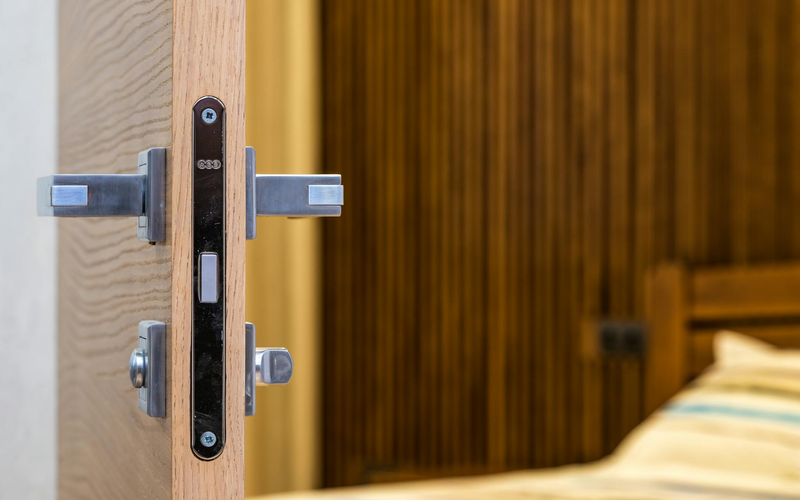
Spring Lock Maintenance Checklist
Spring is the perfect time for a comprehensive lock and security system checkup. After winter's harsh conditions, your locks need attention to ensure they're ready for the year ahead. The transition from cold to warm weather can reveal problems that developed during winter, and addressing them now prevents issues during the busy summer months.
Inspect for Winter Damage
Begin by thoroughly inspecting all exterior locks, paying special attention to any signs of freeze damage or moisture intrusion. Look for rust spots, corrosion, or discoloration around lock cylinders and door hardware. Check weather stripping around doors to ensure it's still intact and providing adequate protection. Winter weather can cause metal to contract and expand, potentially affecting alignment and fit.
Examine all entry doors to ensure they're hanging properly. Winter conditions can cause wood doors to swell or warp, and as they dry out in spring, alignment issues may become apparent. Test each door to confirm it closes smoothly and latches securely without requiring excessive force. If you notice any doors sticking or scraping, this could indicate a need for adjustment before the problem worsens.
Clean and Lubricate
Spring cleaning shouldn't stop at your home's interior. Remove dust, pollen, and winter debris from lock mechanisms using compressed air or a soft brush. Pay particular attention to deadbolt mechanisms and strike plates, where dirt and grime tend to accumulate. Avoid using water or liquid cleaners directly on lock cylinders, as moisture can cause internal corrosion.
After cleaning, apply a graphite-based lubricant or a specialized lock lubricant to all keyholes and moving parts. Never use WD-40 or oil-based products on locks, as these attract dirt and can gum up the delicate pin mechanisms inside. Insert your key and turn it several times to distribute the lubricant throughout the cylinder. Wipe away any excess to prevent dust accumulation.
Test All Keys
Spring is an excellent time to test all household keys. Try each key in its corresponding lock to ensure smooth operation. If any keys stick, require jiggling, or feel rough when turning, this indicates either a worn key or a problem with the lock cylinder. Make copies of any worn keys before they fail completely, and consider having a professional assess any problematic locks.
Summer Security and Maintenance
Summer brings its own set of challenges for locks and home security. Increased humidity, more frequent use of doors due to outdoor activities, and vacation periods when homes sit empty all require attention to keep your security system functioning optimally.
Address Humidity and Moisture
Suffolk County summers can be humid, and moisture is one of the biggest enemies of lock mechanisms. Humidity can cause swelling in wooden doors, affecting alignment and making locks harder to engage. It can also lead to internal corrosion in lock cylinders, especially in coastal areas where salt air is a factor.
Check that all exterior doors have adequate weather protection. Ensure door overhangs or awnings effectively keep rain away from locks. If locks are exposed to the elements, consider installing protective covers or upgrading to weather-resistant hardware. Inspect weather stripping and door sweeps to confirm they're creating an effective seal against moisture intrusion.
Prepare for Vacation Season
Before leaving for summer vacation, conduct a thorough security check. Test all locks to ensure they're functioning properly—the last thing you want is to discover a lock malfunction when you're trying to secure your home before a trip. Consider having a professional install additional security measures like smart locks that allow remote monitoring, or high-security deadbolts for enhanced protection while you're away.
Create and test a key management system for anyone who'll be checking on your home while you're gone. Rather than hiding keys outside (a practice we strongly discourage), provide trusted neighbors or house-sitters with properly cut keys, and verify these keys work before your departure.
Maintain Outdoor Locks and Gates
Summer is when outdoor spaces get the most use, making it essential to maintain locks on gates, sheds, garages, and other outdoor structures. These locks often receive less attention than entry door locks but are equally important for security. Clean and lubricate all outdoor padlocks, gate latches, and garage door locks. Replace any rusted or corroded hardware, as these are weak points that can be easily compromised by intruders.
Fall Preparation and Security Upgrades
As temperatures begin to drop and daylight hours shorten, fall is the ideal time to prepare your locks for winter and consider security upgrades. Statistics show that burglaries increase during the fall and winter months when darkness comes earlier, making this season critical for security assessment.
Conduct a Comprehensive Security Audit
Walk around your property at dusk to identify potential security vulnerabilities. Check that all exterior locks are visible and well-lit—motion-sensor lights near entry points serve as both practical illumination and deterrents to potential intruders. Test every lock on your property, including those on windows, basement doors, and any other potential entry points.
Assess the condition of all locks with an eye toward winter readiness. Locks that are slightly sticky or difficult to operate now will likely freeze or fail during winter cold snaps. It's much easier and less expensive to address these issues now rather than during an emergency in January.
Upgrade to High-Security Options
Fall is an excellent time to consider security upgrades. If you're still using builder-grade locks that came with your home, upgrading to high-security deadbolts significantly improves your protection. Consider smart lock systems that offer keyless entry, remote access, and activity logging—features that are particularly valuable during the holiday season when you may have contractors, delivery personnel, or guests accessing your home.
For homeowners with older lock systems, fall is also the perfect time to consider rekeying. If you've lived in your home for several years, you may have distributed keys to contractors, previous house-sitters, or others who no longer need access. Rekeying provides peace of mind by ensuring you know exactly who has access to your home.
Weatherproofing Preparation
Before winter arrives, take steps to weatherproof your locks. Install or replace door sweeps and weather stripping to keep cold air and moisture away from lock mechanisms. Check that strike plates are properly installed and aligned—loose or misaligned strike plates not only compromise security but can also make locks difficult to engage in cold weather when metal contracts.
Winter Lock Care and Emergency Prevention
Winter presents the most challenging conditions for locks and security hardware. Freezing temperatures, ice, snow, and salt exposure can all damage locks and create emergency situations. Proper winter maintenance prevents frozen locks, broken keys, and lockouts during the coldest months.
Prevent Frozen Locks
Frozen locks are among the most common winter locksmith emergencies, but they're largely preventable. Keep locks well-lubricated with graphite-based products that won't freeze or become gummy in cold temperatures. Never try to force a frozen lock, as this can break your key or damage internal mechanisms.
If you do encounter a frozen lock, warm your key with a lighter or matches before inserting it (be careful not to make it too hot to handle). Never pour hot water on a frozen lock, as this can cause even more ice to form once the water freezes. Instead, use a de-icing spray specifically designed for locks, or gently apply a hair dryer to the lock cylinder.
Protect Against Salt and Moisture
Road salt and de-icing chemicals tracked onto porches and steps can be extremely corrosive to lock hardware. Regularly wipe down door hardware with a damp cloth to remove salt residue, then dry thoroughly. Pay special attention to lower door mechanisms and locks on storm doors, which are particularly exposed to salt spray from passing vehicles.
Snow accumulation around doors can introduce moisture into lock mechanisms as it melts and refreezes. Keep entry areas clear of snow, and ensure drainage is adequate to prevent water from pooling near door thresholds where it can affect locks.
Maintain Garage Locks and Doors
Garage doors often serve as primary entry points during winter, making their locks and mechanisms critical to maintain. Cold weather can affect garage door openers and locks, causing them to operate slowly or fail. Lubricate garage door locks and hinges with cold-weather appropriate products, and test automatic openers monthly to ensure they're functioning correctly.
Year-Round Lock Maintenance Best Practices
Beyond seasonal considerations, certain lock maintenance practices should be part of your regular routine throughout the year. These ongoing habits keep your security system functioning optimally and help you identify potential problems before they become emergencies.
Regular Testing and Inspection
Make it a habit to test all locks monthly. This simple practice takes just a few minutes but can alert you to developing problems early. As you test each lock, pay attention to how it feels—any increase in resistance, new sounds, or changes in smoothness can indicate wear or damage that needs attention.
Inspect keys regularly for signs of wear. Keys naturally wear down over time, and a worn key can damage lock cylinders. If you notice your keys becoming thin or developing rough edges, have new ones cut before they fail. Always have spare keys made from the original when possible, as copies of copies tend to be less precise.
Proper Key Management
How you handle and store keys affects both security and lock longevity. Never force a key into a lock—if it doesn't slide in smoothly, something is wrong with either the key or the lock. Avoid carrying excessive keys on heavy keychains, as the weight can wear out ignition and door lock cylinders over time.
Store spare keys in a secure location, but never hide them outside your home. Burglars know all the common hiding spots, from fake rocks to door mats. Instead, leave a spare with a trusted neighbor or family member, or consider installing a secure key safe with a combination lock.
When to Call a Professional
While many maintenance tasks are DIY-friendly, certain situations require professional expertise. If a lock is damaged, showing signs of attempted break-in, or consistently malfunctioning despite cleaning and lubrication, it's time to call a professional locksmith. Similarly, if you're experiencing repeated key breakage or locks that are becoming progressively harder to operate, these are signs of internal wear that requires expert diagnosis.
Attempting to repair complex lock mechanisms without proper training can make problems worse and potentially compromise your home's security. Professional locksmiths have the tools, knowledge, and experience to diagnose issues accurately and implement effective solutions.
Frequently Asked Questions
Is it cheaper to go to a locksmith or dealer?
For most lock and key services, working with a professional locksmith is significantly more cost-effective than going through a dealer, especially for automotive keys and lock replacements. Locksmiths typically charge 30-50% less than dealerships for key replacement and rekeying services, and they often provide faster service with more flexible scheduling. Additionally, locksmiths can usually come to your location, saving you the hassle and expense of towing a vehicle or removing a door. For home locks, dealers don't typically provide these services at all, making a locksmith your best and most economical option. At Suffolk County Locksmith, we pride ourselves on providing competitive, transparent pricing for all our services.
What is a locksmith call-out fee?
A locksmith call-out fee is a charge that covers the cost of a locksmith traveling to your location, typically ranging from $50 to $100 in the Suffolk County area, though this can vary based on distance, time of day, and urgency. This fee usually covers the trip and initial assessment, with additional charges for labor and parts needed to complete the job. Many locksmiths, including Suffolk County Locksmith, waive or reduce the call-out fee if you proceed with the recommended service. Emergency calls during nights, weekends, or holidays may have higher call-out fees due to the immediate response required. We always provide clear pricing information upfront so there are no surprises.
What is the average cost to replace a door lock?
The cost to replace a door lock varies considerably based on the type of lock and the complexity of installation. Basic deadbolt replacement typically ranges from $100 to $200, including the lock and labor. Mid-range locks with enhanced security features generally cost between $200 and $350 installed, while high-security or smart lock systems can range from $300 to $500 or more depending on features and installation requirements. Rekeying existing locks is often more economical, typically costing $75 to $150 for a standard home, making it an excellent option if your current locks are in good condition but you need to change who has access. At Suffolk County Locksmith, we offer free estimates and can help you choose the most cost-effective solution for your security needs.
The Cost of Neglecting Lock Maintenance
While this guide focuses on how to maintain your locks, it's worth understanding what happens when maintenance is neglected. Poorly maintained locks don't just become inconvenient—they become security vulnerabilities. A lock that's difficult to engage might be left unlocked out of frustration. A sticky mechanism might lead to forced entry attempts that damage both the lock and the door. Keys that require jiggling create wear patterns that make locks easier to pick.
The financial costs of neglect add up quickly. An emergency locksmith call during off-hours can cost several hundred dollars, far more than the cost of regular maintenance and preventive service. A lock that fails prematurely due to neglect requires full replacement rather than simple repair. Damage to doors or frames caused by forcing malfunctioning locks can run into thousands of dollars to repair properly.
Beyond the financial considerations, there's the stress and danger of lock failures. Being locked out during extreme weather isn't just inconvenient—it can be dangerous. Lock failures that leave your home unsecured while you're away can result in burglary and the loss of irreplaceable possessions. These scenarios are almost always preventable with regular seasonal maintenance and prompt attention to developing problems.
Choosing the Right Locksmith for Maintenance and Service
When you do need professional locksmith services, choosing the right provider is crucial. Look for locksmiths with established local presences, proper licensing and insurance, and strong community reputations. Be wary of companies that can't provide a physical address or those offering prices that seem too good to be true—these are often signs of unlicensed operators who may damage your locks or charge exorbitant rates once they arrive.
A quality locksmith should be willing to provide free estimates, explain what work is needed and why, and offer options at different price points. They should arrive in marked vehicles with proper identification and be able to demonstrate their expertise and credentials. At Suffolk County Locksmith, we're proud of our longstanding presence at 691 Middle Country Rd in S