
As the seasons change in Selden, NY, your locks and security systems face different challenges that can affect their performance and longevity. From freezing winter temperatures to humid summer conditions, each season brings unique demands on your home, business, and automotive locks. Regular seasonal maintenance isn't just about preventing lockouts—it's about ensuring your security systems remain reliable when you need them most. Whether you're searching for a "locksmith near me" for emergency services or looking to maintain your locks proactively, understanding seasonal lock care can save you time, money, and stress throughout the year.
Why Seasonal Lock Maintenance Matters in Selden, NY
Living on Long Island means experiencing the full spectrum of weather conditions, from harsh winter snowstorms to hot, humid summers. These environmental factors take a toll on your locks, causing corrosion, freezing, expansion, and general wear that can lead to lock failures at the most inconvenient times. Regular seasonal maintenance helps identify potential problems before they become emergencies, extends the lifespan of your locks, and ensures your home and vehicle security remains uncompromised.
Many residents near Middle Country Automotive Selden discover lock problems only when they're locked out in freezing temperatures or unable to start their car on a sweltering summer day. Proactive maintenance eliminates these scenarios and provides peace of mind knowing your security systems are functioning optimally. Additionally, well-maintained locks operate more smoothly, keys turn more easily, and you'll avoid the frustration of sticky, jammed, or difficult-to-operate locks.
Spring Locksmith Maintenance: Preparing for Warmer Weather
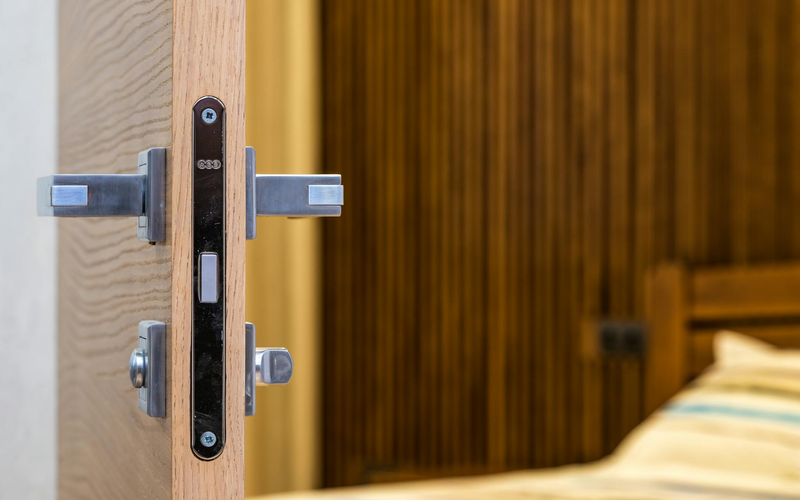
Spring is the perfect time to assess any winter damage and prepare your locks for the active months ahead. After months of cold weather, salt exposure, and moisture, your locks need attention to ensure they're ready for increased outdoor activity and the transition to warmer temperatures.
Inspect for Winter Damage
Begin your spring maintenance by thoroughly inspecting all exterior locks on your home and business. Look for signs of corrosion, rust, or moisture damage that may have developed during the winter months. Check weatherstripping around doors to ensure it's still providing adequate protection against the elements. If you notice any deterioration, replace weatherstripping to prevent moisture from reaching your lock mechanisms.
Pay special attention to locks that were exposed to deicing salt, which is particularly corrosive. Garage doors, mailboxes, and outdoor gate locks often show the most damage. If you spot rust or corrosion, clean the affected areas with a gentle rust remover and apply a protective lubricant specifically designed for locks.
Clean and Lubricate All Locks
Spring cleaning should extend to your locks as well. Use compressed air to blow out any debris, dust, or dried leaves that may have accumulated in your locks during winter. For a deeper clean, use a lock-specific cleaner that won't leave residue or attract dirt.
After cleaning, apply a graphite-based lubricant or a silicone-based lock lubricant. Avoid using WD-40 or oil-based products, as these can attract dust and grime, creating more problems over time. Insert the lubricant into the keyway, then insert and remove your key several times to distribute the lubricant throughout the lock mechanism.
Test All Entry Points
Spring is an excellent time to test every entry point to your property. Check that all keys operate smoothly in their respective locks. If you notice any sticking, grinding, or difficulty turning keys, address these issues immediately. These symptoms often indicate internal wear or damage that could lead to a complete lock failure.
For homes near Middle Country Automotive II, where vehicle security is equally important, spring is the ideal time to test your car's locks, trunk lock, and ensure your key fob batteries are fresh. Replace any weak batteries to avoid being stranded with a non-responsive remote.
Summer Lock Care: Beating the Heat and Humidity
Summer in Selden brings high temperatures and humidity that can affect lock performance in unexpected ways. Metal expansion, increased moisture, and more frequent lock use during vacation season all require specific maintenance approaches.
Address Humidity-Related Issues
High humidity can cause metal components to expand slightly, making locks feel tighter or more difficult to operate. It can also introduce moisture into lock mechanisms, potentially causing internal corrosion over time. Combat these issues by ensuring all exterior locks have adequate protection from direct exposure to rain and moisture.
Consider installing lock covers or guards on exposed outdoor locks. For existing locks, check that any protective covers or escutcheons are properly installed and sealed. Apply a moisture-displacing lubricant to locks that are directly exposed to the elements, which will help prevent moisture from settling in the mechanism.
Vacation Security Preparation
Before leaving for summer vacation, perform a complete security check of all locks. Test every door and window lock to ensure they're functioning correctly. Consider having a professional locksmith install additional security features like deadbolts or smart locks that allow you to monitor your home remotely.
Create a maintenance schedule for someone to check your property while you're away. This person should have a reliable key that you've tested beforehand. Never hide spare keys outside—if you need to provide access, consider installing a secure keyless entry system instead.
Automotive Lock Maintenance During Summer Heat
Extreme heat can affect your vehicle's locks and electronic key systems. Park in shaded areas when possible to protect lock mechanisms from direct sunlight and excessive heat. If your car locks become hot to the touch, allow them to cool before attempting to use your key, as forcing a key into an extremely hot lock can cause damage.
Check your key fob regularly during summer months, as heat can drain batteries faster. Keep a spare key fob and fresh batteries in your home. For residents searching for "locksmith near me" for automotive services, remember that preventive maintenance on car locks is far more cost-effective than emergency lockout services.
Fall Maintenance: Preparing for Colder Months
Fall is crucial preparation time for the challenging winter months ahead. Proper fall maintenance can prevent many common winter lock problems, particularly freezing and moisture-related issues.
Weatherproofing Your Locks
As temperatures begin to drop, focus on weatherproofing all exterior locks. Apply a cold-weather lubricant that won't freeze or become sticky in low temperatures. These specialized lubricants maintain their consistency even in sub-zero conditions, ensuring your locks continue to operate smoothly throughout winter.
Inspect and replace door sweeps and weatherstripping before the first freeze. Proper sealing prevents cold air and moisture from affecting interior lock mechanisms. Pay particular attention to doors that face north or are exposed to prevailing winds, as these typically experience the harshest conditions.
Clear Drainage Paths
Ensure that all drainage holes in doors (particularly storm doors and garage doors) are clear and functioning. These holes allow moisture to escape rather than pooling around lock mechanisms. Use a small wire or pipe cleaner to clear any blocked drainage holes.
Check that gutters and downspouts aren't directing water toward entry doors. Excessive water exposure can lead to freezing problems in winter and accelerate lock corrosion. Redirect water flow away from all entry points.
Key and Lock Assessment
Fall is the perfect time to assess the condition of all your keys. Worn keys can break in locks, especially during cold weather when metal becomes more brittle. If you notice excessive wear on any key—such as visible thinning, bending, or damaged teeth—have duplicates made before winter arrives.
Test all locks with their respective keys to identify any that are becoming difficult to operate. Locks that show signs of wear in fall will likely fail during winter when conditions are most challenging. Replace or repair problematic locks before the first freeze.
Winter Lock Protection: Surviving the Cold
Winter presents the most challenging conditions for locks in Selden, NY. Freezing temperatures, ice, snow, and deicing salt all threaten lock functionality. Proper winter maintenance prevents frozen locks and ensures reliable access during the coldest months.
Preventing Frozen Locks
Frozen locks are one of the most common winter emergencies. Prevent freezing by applying a moisture-displacing lubricant before temperatures drop. Cover exterior locks with protective covers when possible, and never attempt to thaw a frozen lock with an open flame or excessive heat, which can damage the lock mechanism.
If you do encounter a frozen lock, use a lock de-icer spray or gently warm your key with a lighter before inserting it. Heated keys can gradually transfer warmth to the lock mechanism, melting ice without causing damage. For automotive locks, hand sanitizer (which contains alcohol) can also help melt ice when applied to the lock.
Salt and Corrosion Management
Deicing salt is essential for winter safety but extremely corrosive to locks. After exposure to salt spray from roads or sidewalks, clean your locks with a damp cloth to remove salt residue. Pay special attention to car door locks, which receive constant salt exposure during winter driving.
For homes and businesses near high-traffic areas like Middle Country Road, where salt usage is heavy, consider installing lock guards or shields to minimize direct exposure. Apply a protective coating of lubricant after each cleaning to create a barrier against corrosion.
Emergency Preparedness
Winter is when lock emergencies most commonly occur. Prepare by keeping lock de-icer in an accessible location (not in your locked car!). Store emergency contact information for a reliable "locksmith near me" in your phone and wallet. Consider installing smart locks on at least one entry point, providing keyless access if your keys are frozen or lost.
Keep spare keys with trusted neighbors or family members who live nearby. For vehicles parked near Middle Country Automotive Selden or similar areas, ensure you have access to a spare key stored safely at home or work.
Year-Round Lock Maintenance Best Practices
Beyond seasonal maintenance, certain practices should be followed throughout the year to ensure optimal lock performance and longevity.
Regular Cleaning Schedule
Establish a quarterly cleaning schedule for all locks. Remove dust, debris, and buildup using compressed air or a soft brush. Clean keys regularly with a mild soap solution, ensuring they're completely dry before use. Dirty keys transfer grime into locks, accelerating wear and potential failure.
Proper Lubrication Techniques
Use only lubricants specifically designed for locks. Graphite powder is excellent for traditional pin tumbler locks, while silicone-based sprays work well for modern locks. Apply lubricant sparingly—excess lubricant attracts dirt and can gum up the mechanism.
Lubricate locks every three to six months, or more frequently for high-use locks or those exposed to harsh conditions. After applying lubricant, operate the lock several times to distribute it evenly throughout the mechanism.
Key Management
Never force a key into a lock. If a key doesn't insert smoothly, check for debris in the lock or damage to the key. Forcing keys can break them inside the lock, creating a costly emergency situation.
Avoid carrying excessive items on key rings, as the weight can cause wear to ignition cylinders and other locks. Use separate key rings for different purposes, keeping car keys on a lightweight ring to protect your vehicle's ignition.
Professional Inspections
Schedule professional lock inspections annually, preferably in spring or fall. Professional locksmiths can identify wear patterns, potential failures, and security vulnerabilities that aren't apparent to untrained eyes. They can also rekey locks, adjust strike plates, and perform maintenance that requires specialized tools.
Common Lock Problems and Seasonal Solutions
Understanding common lock problems and their seasonal causes helps you address issues promptly and prevent emergencies.
Sticky or Difficult Locks
Sticky locks often result from accumulated dirt, old lubricant, or internal wear. In winter, they may indicate freezing moisture. Clean the lock thoroughly, apply fresh lubricant, and test operation. If sticking persists, internal components may be worn and require professional replacement.
Keys That Won't Turn
Keys that won't turn can indicate several issues: worn keys, misaligned locks, frozen mechanisms, or internal damage. Check if the problem occurs with all keys or just one. If only one key is problematic, it's likely worn and should be replaced. If all keys fail, the lock mechanism may need professional attention.
Loose or Wobbly Locks
Loose locks result from loose mounting screws or worn strike plates. This problem often worsens during temperature changes as building materials expand and contract. Tighten all mounting screws and check that strike plates are properly aligned. Loose locks compromise security and should be addressed immediately.
Broken Keys
Keys typically break due to wear, forcing, or cold weather brittleness. If a key breaks in a lock, don't attempt to operate the lock further. Call a professional locksmith who has the tools to extract broken key fragments without damaging the lock mechanism.
Is It Cheaper to Go to a Locksmith or Dealer?
Many Selden residents wonder whether they should visit a dealership or call a local locksmith for automotive key services. In most cases, working with a professional locksmith is significantly more affordable than dealership services, often costing 50% less for comparable work.
Local locksmiths can program transponder keys, create key fobs, and provide replacement keys for virtually all vehicle makes and models. They typically offer mobile services, coming to your location rather than requiring you to tow your vehicle to a dealership. This convenience, combined with lower costs and often faster service, makes locksmiths the preferred choice for most automotive lock and key needs.
Dealerships may be necessary for vehicles with extremely new or proprietary security systems, but even then, consulting with a professional locksmith first can save substantial money. For residents near Middle Country Automotive II, having a trusted local locksmith's contact information can save both time and money when automotive lock issues arise.
Smart Lock Considerations for All Seasons
Smart locks offer year-round convenience and enhanced security, but they also require seasonal considerations to ensure reliable operation.
Battery Maintenance
Extreme temperatures affect battery life in smart locks. Cold weather significantly reduces battery capacity, while heat can accelerate battery drain. Check smart lock batteries before winter and summer, replacing them proactively rather than waiting for low-battery warnings.
Keep spare batteries on hand and establish a replacement schedule based on manufacturer recommendations and your local climate conditions. Most smart locks provide low-battery warnings well in advance of complete failure, but don't ignore these notifications.
Weather Protection
Ensure smart locks have adequate weather protection. While most are designed for exterior use, additional protection from direct rain, snow, and ice exposure extends their lifespan and reliability. Install smart locks under covered areas when possible, or add protective covers designed for smart lock systems.
Software Updates
Regularly update smart lock firmware to ensure optimal performance and security. Many updates include improvements to battery management, weather resistance features, and security enhancements. Schedule seasonal checks to verify your smart locks are running current software versions.
Commercial Lock Maintenance for Selden Businesses
Businesses have additional lock maintenance needs due to higher use frequency and greater security requirements.
High-Traffic Entry Maintenance
Commercial entry points experience significantly more use than residential locks, requiring more frequent maintenance. Lubricate high-traffic locks monthly rather than quarterly. Inspect for wear weekly, looking for loose components, difficulty operating, or unusual sounds during operation.
Consider upgrading to commercial-grade locks designed for high-frequency use. These locks feature more durable components and can withstand the demands of business environments.
Access Control Systems
Seasonal maintenance for access control systems includes cleaning card readers, testing backup power systems, and verifying that all users' credentials function correctly. Before winter, ensure backup power systems are fully functional in case of weather-related power outages.
Test emergency exit mechanisms seasonally to ensure compliance with fire codes and reliable operation during emergencies. Emergency exits must function regardless of weather conditions, making seasonal testing critical.
Master Key System Management
Businesses using master key systems should conduct annual audits of key distribution and lock operation. Rekey locks when employee turnover occurs, and maintain detailed records of all keys issued. Seasonal inspections should verify that all locks in the master system operate smoothly and that unauthorized keys haven't been created.
DIY Maintenance vs. Professional Services
While many seasonal maintenance tasks can be performed by property owners, knowing when to call a professional ensures problems are properly addressed.
Tasks You Can Handle
Most homeowners and business owners can perform basic cleaning, lubr